
From Earth to the Stars: How Computer Science explores the Space?

DESIGNING OF SPACECRAFT
Every spacecraft is a complex system of interdependent components. CAD(Computer-Aided Design) software ensures that all components fir and work properly, from propulsion to payload.
Data is a goldstone of space exploration, providing the information to the
Scientist to understand more about the universe. From capturing image of
distant galaxies, stars, planets, tha data collected by telescopes, spacecraft
and satellite is vast and complex. Computer Science plays a key role in every
stage of processing and analysing data captured by components.
Spacecraft
and telescopes are equiped with high-resolution cameras and sensors that
capture detailed images of celestial objects. This will generate massive
amount of raw data, often in the form of large images or special data.
Instruments like spectrometers analyze the data comming in form of light from
planets and other celestial bodies. These devices converts the raw data into
meaningful information.
MISSION AND GUIDANCE
Using computational models to simulate space environments, spacecraft
trajectories, and planetry conditions.Developed a software that controls
spacecraft, managing everything from life support systems to propulsion.
Design
user friendly interfaces for astronauts to interact with spacecraft systems,
ensuring ease of use in the challenging space environment.Using VR and
AR(Virtual and Augmented Reality) for training astronaut, simulating space
missions, or visualizing space data.
Developing energy-efficient algorithms and hardware that reduces the
ecological footprints of missions.
WEATHER FORECASTING
Meteorologists gather data using various instruments worldwide. Wind vanes
measure wind speeds, thermometers track temperatures, barometers monitor
pressure, and hygrometers assess humidity.
Numerical Weather
Prediction (NWP): Meteorologists feed this data into powerful computers.
These machines simulate the atmosphere using math.
Mathematical
Models:These models describe key processes: Earth’s rotation, wind speed,
precipitation, and more. Imagine a weather recipe book with equations each
one representing a piece of the weather puzzle.
Meteorologist Edward
Lorenz coined the term “butterfly effect.” Even tiny changes in data lead to
vastly different predictions. Picture a butterfly flapping its wings in
Brazil causing a storm in New York. That’s the “butterfly effect".
ASTRONAUTS HEALTHCARE
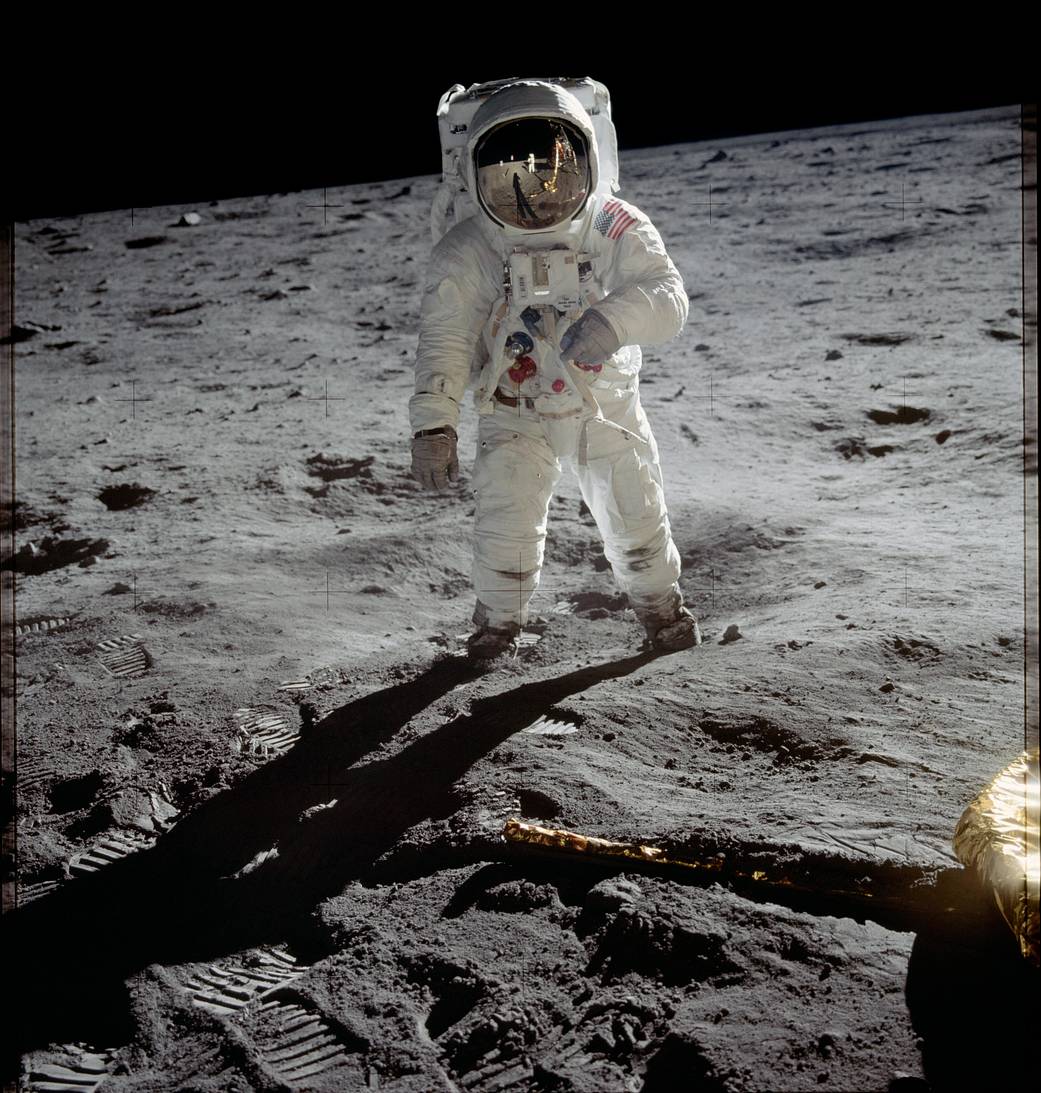
Health Monitoring Systems: Continuos monitoring of astronaut's vital signs
such as heart rate, blood pressure, oxygen level. Wearable devices and
biosensors can provide real time data by smart computers to detect any
early signs of health issues.
Behavioring Health Monitoring:
Continuous assessment of astronaut's mental being, including stress
levels, mood and sleep patterns, to prevent any psychological issues, which
all were managed by a computer system.
CONCLUSION
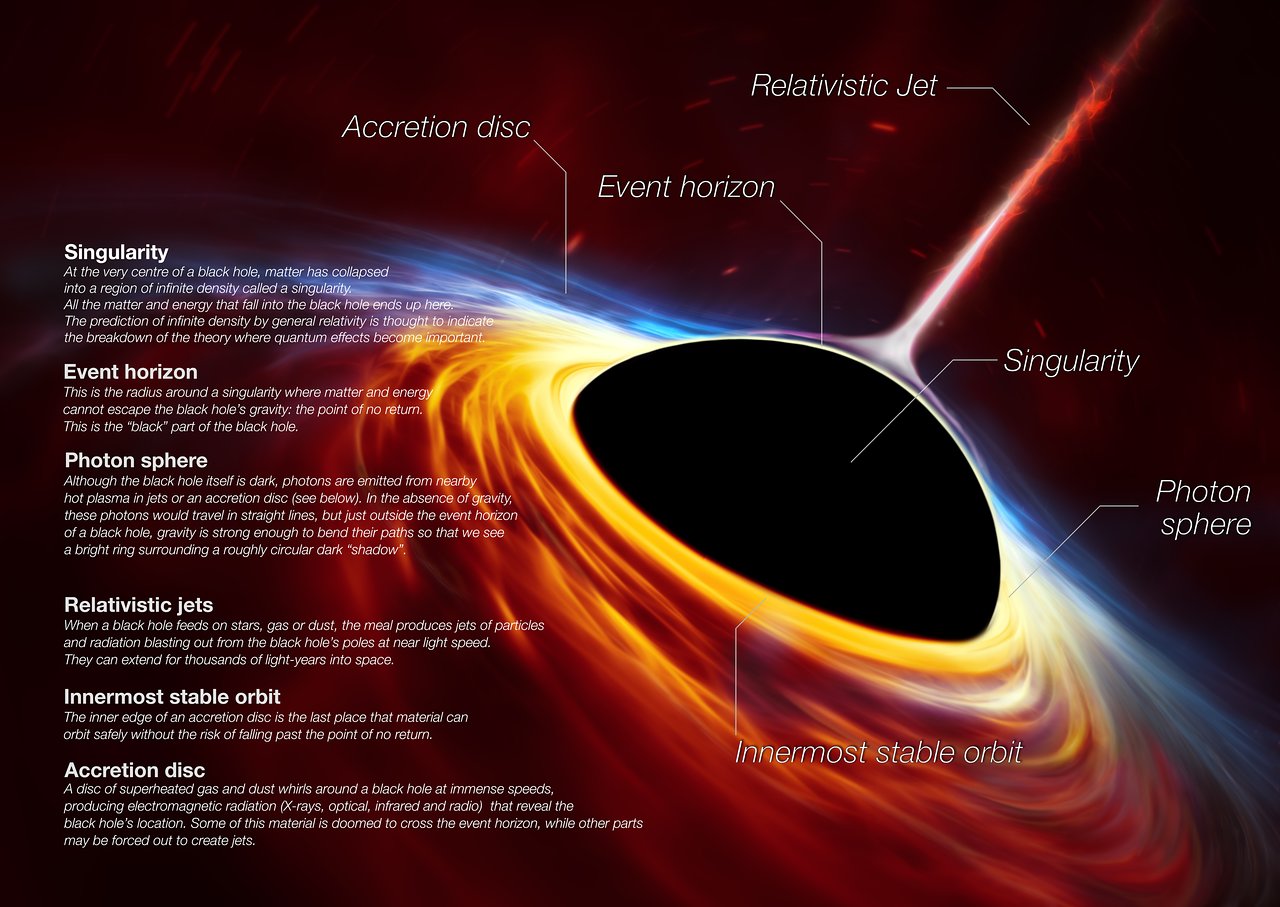
Computers are not just tools, they’re our digital companions in the great achievement. Now it become the backbone of space research, enabling us to explore the universe in ways that were thought impossible. As technlogy becoming advanced day by day, soon we will able to know more about black holes and habitable planets.
Very good , excited to see more by writter 👍
ReplyDeleteMy pleasure
Delete